Chapter II · Mechanics
How a gold IRA works
7 min read · Updated June 2026
A gold IRA is simpler than it sounds. It is a self-directed retirement account that holds IRS-approved physical metals instead of paper assets. This chapter explains the three roles — custodian, dealer, depository — in plain English.
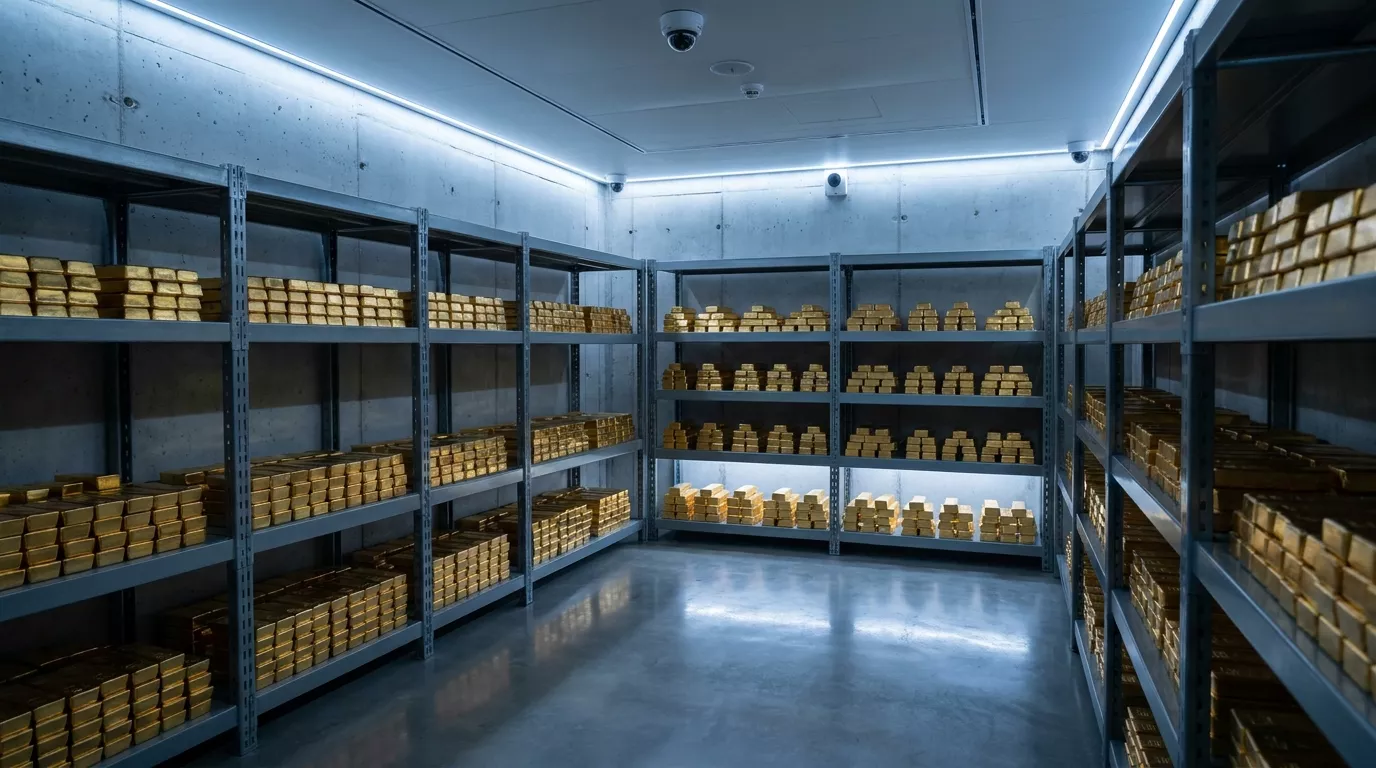
It works like any IRA — with one difference
For tax purposes, a gold IRA behaves like the retirement accounts you already know. Contributions and growth follow the same rules as a traditional or Roth IRA. The single difference is what the account holds: instead of stocks and bonds, it holds physical, IRS-approved precious metals stored on your behalf.
Because the IRS does not allow you to keep IRA metal at home, the account relies on a small set of professional roles working together. Understanding those three roles removes almost all of the mystery.
The three roles: custodian, dealer, depository
The custodian is the IRS-approved company that administers the account, handles the paperwork, and keeps the records. The dealer is the firm that sources the actual metal at your instruction. The depository is the insured, IRS-approved facility where the metal is physically stored. No single party touches all three jobs, which is a feature, not a bother — it keeps responsibilities separated.
In practice, you open the self-directed IRA with a custodian, fund it (often via a rollover), and then direct a dealer to purchase eligible bullion, which is shipped directly to the depository in your account's name. You own the metal; it simply lives in a vault rather than in a drawer.
- Custodian holds and administers the account; dealer sources the metals.
- Metals live in an IRS-approved depository, fully insured.
- You own the bullion — it is held in your account's name, not the dealer's.
Only certain metals qualify
The IRS permits specific gold, silver, platinum, and palladium products that meet minimum purity standards (for example, 99.5% for gold) and come from approved mints or refiners — American Gold Eagles and many bullion bars among them. Collectible or graded "numismatic" coins are generally not eligible for an IRA, and a dealer pushing them for your retirement account is a warning sign worth heeding.
Storage can be "segregated" (your metal kept separately) or "non-segregated" (pooled with like metal). Both are insured and legitimate; segregated storage usually costs a little more. Either way, the depository can show that your holdings are accounted for.
Reader questions
01Can I store gold IRA metal at home?+
No. IRS rules require IRA precious metals to be held by an approved custodian at an approved depository. "Home storage IRA" schemes carry real risk of disqualifying the account and triggering taxes and penalties. Legitimate gold IRAs always use an insured, IRS-approved depository.
02What metals can a gold IRA hold?+
The IRS permits certain gold, silver, platinum, and palladium products that meet minimum purity standards (e.g., 99.5% for gold) and come from approved mints or refiners — such as American Gold Eagles and many bullion bars. Collectible or "numismatic" coins are generally not eligible for an IRA.
Next step
Ready to compare dealers?
See our independent, factually-sourced editorial reviews of the leading gold IRA companies — fees, minimums, BBB ratings, and storage partners side by side.
This content is for general education only and is not financial, tax, legal, or investment advice. Investing in precious metals carries risk, including loss of principal. Consult a licensed professional before making decisions.